
Common Babywearing Problems: Practical Fixes for a Safe and Comfortable Carry
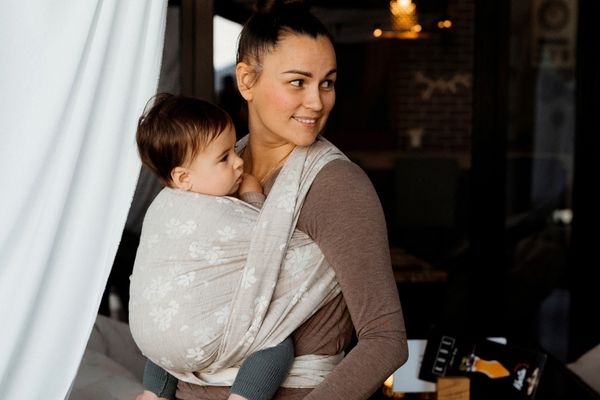
Common Babywearing Problems: How to Fix Them When Using a Baby Wrap
1. Baby straightens their back in the baby sling – how to get a healthy position
Spread the fabric from knee to knee to create wide support under the thighs.
Evenly tighten the wrap across the whole back so there are no slack spots.
Gently tuck the pelvis so knees sit higher than the bum (the “M” position) and the spine rounds into a natural “C” curve.
2. Baby cries after being placed in the wrap carrier – likely causes & quick fixes
First check the basics: hunger, wet diaper, temperature (too warm or too cold).
Some babies need a moment to adjust to the new sensation and your movement.
Hold close, gently sway and speak softly to build calm and security.
Ensure the wrap is properly tightened—a loose carry feels unstable and can trigger tears.
3. Baby throws their head back – what’s normal and how to support
Mild head extension is a normal developmental stage around the third month as baby seeks visual and sound stimuli.
If the head drops or looks wobbly, improve neck and upper-back support.
Raise the top rail to ear height so it supports without compressing.
Check for the “M” position and a rounded “C” spine; consistent tension keeps baby secure.
4. Baby straightens legs and “hangs” in baby sling – how to correct
This signals the wrap is too loose or unevenly tightened.
Create a deep seat from knee to knee that cups the bum and thighs.
Tighten in sections along the back, removing all slack.
Finish by tilting the pelvis so knees are above the bum—a safe “M” position with a naturally rounded spine.
5. Baby sinks lower during wearing in baby sling – wrap loosens over time
Common for beginners and due to insufficient tightening. As you walk, slack slides and baby drops.
Undo the knot and re-tighten rail by rail—top, middle, then bottom—on both sides.
Layered, even tension keeps baby snug and safely “glued” to your torso throughout the walk.
6. Baby overheats in summer in woven wrap – what to wear & which fabric
In heat, dress lightly (just a bodysuit or thin tee) so there’s only one airy layer under the wrap.
Choose summer-friendly wraps with linen, TENCEL™ or bamboo for breathability and moisture wicking.
Opt for lighter carries like Front Wrap Crossless (“kangaroo”) or a simple ruck with just one fabric layer over baby.
7. Baby is cold in winter in sling carrier – layering and covers
Use several thin, breathable layers and wear the wrap under your jacket or add a softshell/fleece cover to block wind and chill.
Remember the wrap is an extra clothing layer—avoid overheating.
A soft cotton, merino or fleece suit works best; avoid stiff, slippery snowsuits that fight tensioning.
8. Baby falls asleep in the woven wrap – should you transfer?
No rush—it’s safe for baby to sleep in the wrap while you enjoy hands-free closeness.
If you want to put them down, loosen gradually while supporting head and back, then gently transfer to the cot or Moses basket.
9. Baby’s neck is exposed in baby sling – protecting from drafts
Add a light neck warmer, buff, thin scarf or snood that won’t shift during wear.
Avoid bulky, loose scarves that can slip between layers and obstruct breathing.
A hooded suit or fleece/softshell cover also shields the nape from wind.
10. Baby’s legs look red after wearing in wrap carrier – is the wrap too tight?
Red marks usually mean pressure in a single spot or fabric not spread evenly.
Ensure the wrap is fully spread across the width and doesn’t roll into a narrow “rope” under the thighs.
Aim for a wide, smooth seat from knee to knee to distribute weight evenly.
11. Imprints on knees or thighs when babywearing – checking support
The fabric should form a wide, hammock-like seat from knee to knee, without cutting into the skin.
Make sure it’s evenly spread and not bunching into a thin band under the knees.
12. Baby wants to face outward in baby sling – safer ways to see the world
A forward-facing front carry doesn’t support the spine or pelvis well and can cause sensory overload.
Choose a hip carry or back carry instead, so baby can look around while keeping the safe “M” position and natural spinal curve.
Great visibility, ergonomic alignment, and close contact—win-win.
Note: These tips apply to woven baby wraps (also called a woven baby sling) and many ideas translate to ring slings and soft structured carriers too.
Recommended

Baby Sling Dark Aurora Cube size 6

Baby Sling Bamboo Verdelit size 6

Baby Sling Jade Cube size 6

Baby Sling TENCEL™ Rocky Cube size 6

Baby Sling Bamboo Quartz size 6
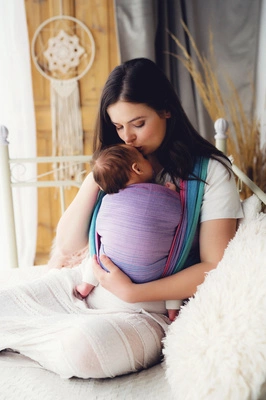
Baby Sling Bamboo Zircon - size 6
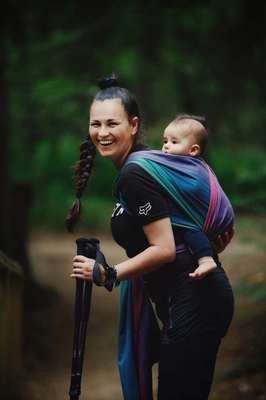
Baby Sling Bamboo Misty Zircon size 6

Baby Sling Malachite size 6

Baby Sling Boleite size 6

Baby Sling Jasper size 6

Baby Sling TENCEL™ Atmosphere Cube size 6

Baby Sling Roselily Cube size 6
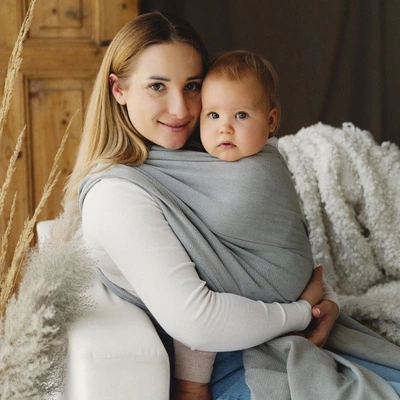
Baby Sling Gray Moonstone size 6
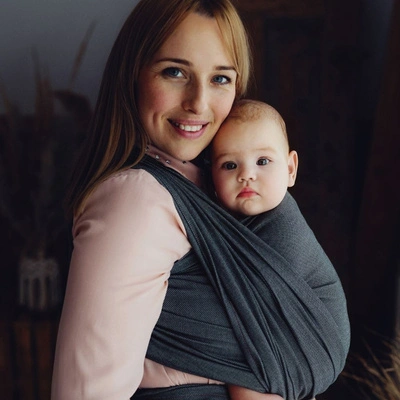
Baby Sling Slate Moonstone size 6

Baby Sling TENCEL™ Calm Cube size 6

Baby Sling Bitter Cube size 6
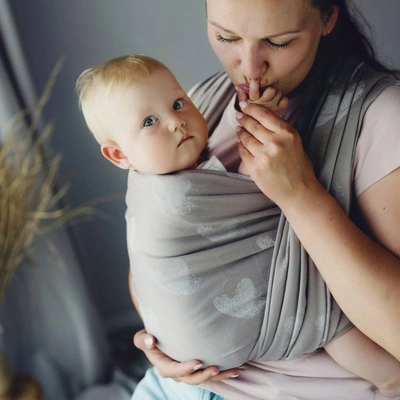
Baby Sling TENCEL™ Hazy Love Drift size 6

Baby Sling Steel Whisper size 6

Baby Sling Lotus Bloom size 6

Baby Sling Hazy Love Rose size 6

Baby Sling Emerald Path size 6
